
Case study of Manohar Singh
Name: Manohar Singh
Age: 47
Village: Modva Village, Patiya, Gogunda Block
Occupation: Farmer and Livestock
Owner Family Members: 6 (Wife, 4 Children)
Background - Mr. Manohar Singh Ji is a small and marginal farmer living with his family of six, including his wife and four children, in a rural tribal area, Modva Village, Patiya, Gogunda Block. The family depends primarily on agriculture and seasonal wage labour for their livelihood. The village is located in a rain-fed region where water availability is highly uncertain. Before the intervention, there was no functional anicut (check dam) to store rainwater and
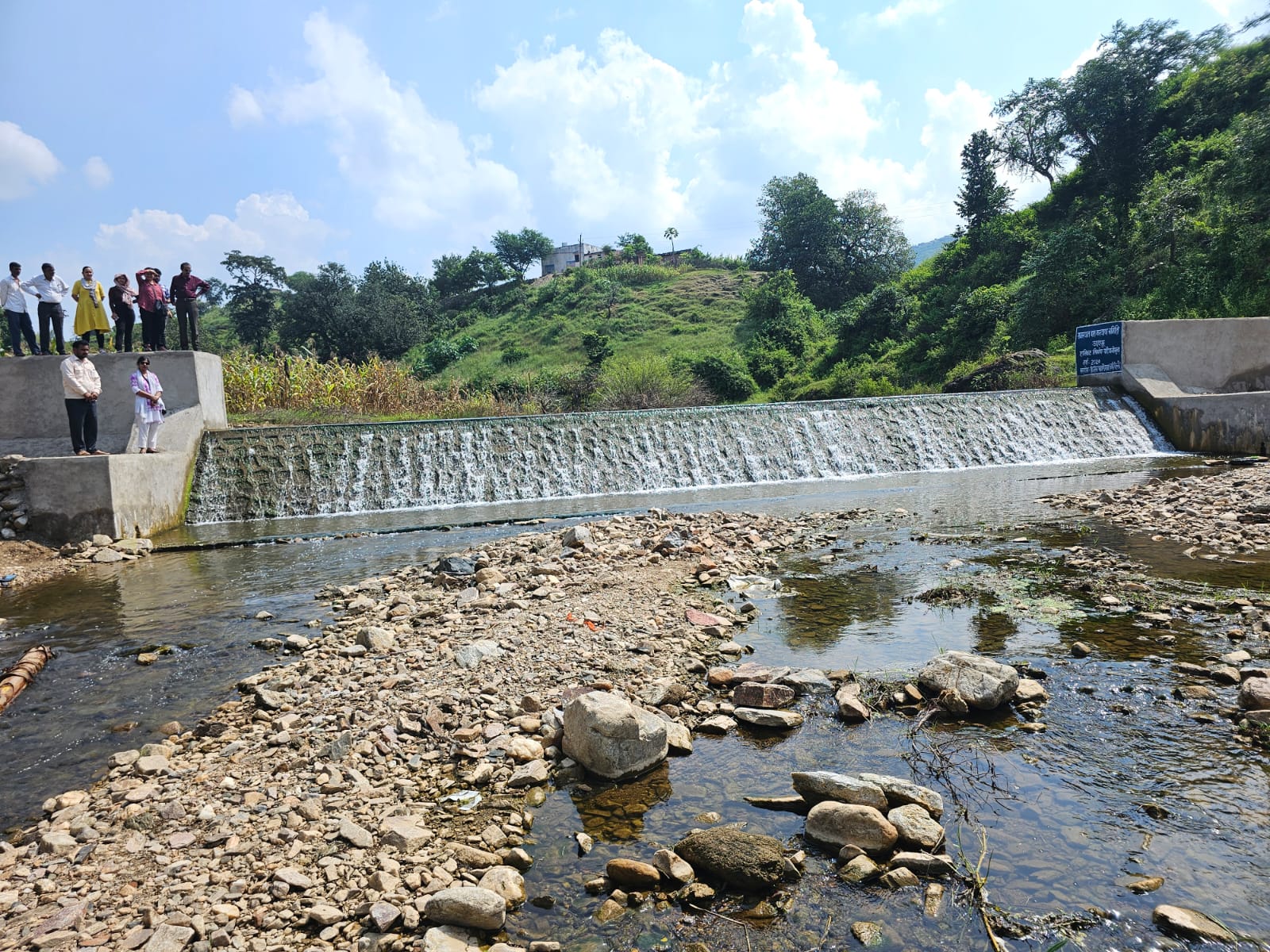
regulate water flow. Due to the absence of an anicut, monsoon runoff drained away quickly, resulting in poor groundwater recharge. Wells dried up soon after the monsoon season, limiting irrigation facilities. This situation restricted agricultural activities, reduced crop productivity, and caused income instability for the family.
Challenges Before Anicut Construction
• Rapid Runoff of Rainwater
During the monsoon, rainwater flowed away quickly without being stored, leading to wastage of a valuable water resource.
• Low Groundwater Levels
Due to the absence of water-harvesting structures, groundwater recharge was poor, and nearby wells dried up soon after the monsoon.
• Soil Erosion and Land Degradation
Uncontrolled water flow caused soil erosion, reducing soil fertility and damaging agricultural land.
• Limited Irrigation Coverage
Only a small portion of farmland could be irrigated, forcing the farmer to leave part of his land uncultivated.
• Low Crop Productivity and Income
Insufficient water availability resulted in low crop yields and unstable agricultural income.
• Dependence on Wage Labour
Due to poor farm output, the family had to rely heavily on daily wage labour to meet basic needs.
Benefits After Anicut Construction
• Effective Rainwater Storage
The anicut now captures and stores rainwater, preventing it from flowing away unused.
• Improved Groundwater Recharge
Stored water gradually percolates into the ground, increasing groundwater levels and improving well water availability.
• Reduced Soil Erosion
Controlled water flow has minimised soil erosion and helped maintain soil fertility.
• Increased Irrigation Area
Improved water availability has enabled the irrigation of a larger area of farmland.
• Enhanced Crop Yield and Farm Income
Better irrigation has led to higher crop productivity and increased agricultural income.
• Reduced Dependence on Wage Labour
With improved farming outcomes, the family now relies less on seasonal labour.
Conclusion - At present, Mr. Mohan Singh Ji has successfully sown wheat with the support of improved water availability created by the anicut. He is now able to irrigate his crops easily and at the right time. In addition to wheat cultivation, he plans to grow seasonal vegetables, which will not only increase household income but also improve the nutritional and health status of his family. The construction of the anicut has led to significant groundwater recharge, benefiting nearly 20–25 nearby wells in the area. This has ensured year-round water availability for farming and domestic use. Overall, the anicut has created a sustainable water source, strengthened agricultural livelihoods, and brought long-term social, economic, and health benefits to the family as well as the surrounding community.